

Diabetic Peripheral Neuropathy
A Physician-Directed Approach to Diabetic Neuropathy
Burning, tingling, numbness, pins-and-needles sensations, or altered sensation in the feet can be among the most frustrating complications of diabetes. For some patients, these symptoms can interfere with comfort, mobility, sleep, activity, and overall quality of life.
At Tone & Core, we offer CoreRelink™ Neuropathy, an innovative, physician-directed procedural program developed specifically for appropriately selected adults with diabetic peripheral neuropathy.
The Condition
Understanding Diabetic Peripheral Neuropathy
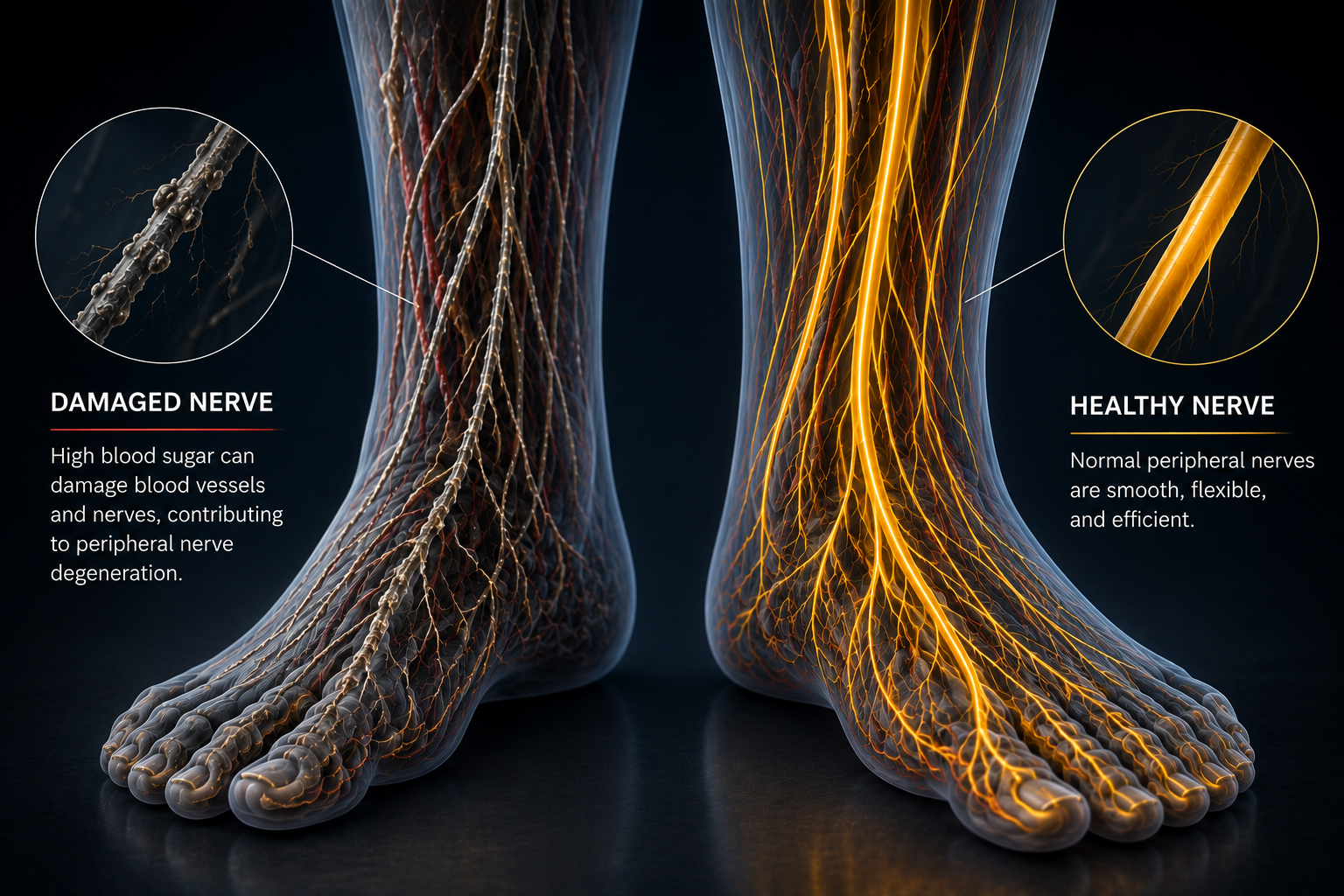
Diabetic peripheral neuropathy is a form of nerve damage associated with diabetes that most commonly affects the feet and lower extremities.
Associated with long-term exposure to elevated blood glucose
Most commonly affects the feet and lower legs
Can involve burning, tingling, numbness, or altered sensation
Other metabolic changes can contribute to progressive nerve dysfunction
May affect sensation, balance, mobility, and protective awareness of the feet
Requires physician evaluation before treatment is considered
Because not every case of numbness, tingling, or foot discomfort in a person with diabetes is necessarily caused by diabetic neuropathy, physician evaluation and appropriate patient selection are important before treatment.
Schedule Your Neuropathy Evaluation
Who It Helps
Symptoms of Diabetic Peripheral Neuropathy
CoreRelink™ may be considered for appropriately selected adults with diabetes who are experiencing symptoms consistent with diabetic peripheral neuropathy, which can include:
Burning or Tingling Sensations
Numbness
Pins-and-Needles Sensations
Altered Sensation in the Feet
Neuropathic Discomfort
Symptoms Affecting Activity, Mobility, Sleep, or Quality of Life
A physician evaluation is required to determine candidacy and to assess whether symptoms are reasonably consistent with diabetic peripheral neuropathy.
Why It Matters
Diabetic Neuropathy Can Have Consequences Beyond Discomfort
Diabetic peripheral neuropathy can affect more than sensation. As nerve function declines, numbness, weakness, and loss of protective sensation in the feet can increase the risk of balance problems, falls, injuries, and wounds that may go unnoticed.
For people with diabetes, loss of protective sensation, particularly when combined with impaired circulation or difficulty healing, can contribute to foot ulceration, infection, and, in severe cases, amputation.
Early recognition, appropriate diabetes management, routine foot care, and attention to new or worsening symptoms remain important in reducing these risks.
The Program
Introducing CoreRelink™ Neuropathy
CoreRelink™ Neuropathy is our physician-directed procedural approach for appropriately selected adults with diabetic peripheral neuropathy. The program is designed to target the affected peripheral nerve environment with the goal of supporting nerve health, function, and the biological conditions that may favor improvement in neuropathy symptoms. It brings together complementary treatment modalities within a structured protocol while recognizing that individual response varies and improvement cannot be guaranteed.
Shockwave therapy is a noninvasive treatment that delivers controlled acoustic energy to targeted tissues. It has been studied in a variety of regenerative applications and is incorporated into CoreRelink™ as part of our procedural approach to diabetic peripheral neuropathy.
PRP is prepared from a patient's own blood by concentrating platelets and their associated biologic factors. In CoreRelink™, PRP is incorporated as a targeted regenerative procedure using the patient's own platelet concentrate.
Real-time ultrasound imaging is used during appropriate portions of the procedure to visualize relevant anatomy and enhance precision.
Targeted supplements are recommended as an adjunctive component of the CoreRelink™ treatment protocol.
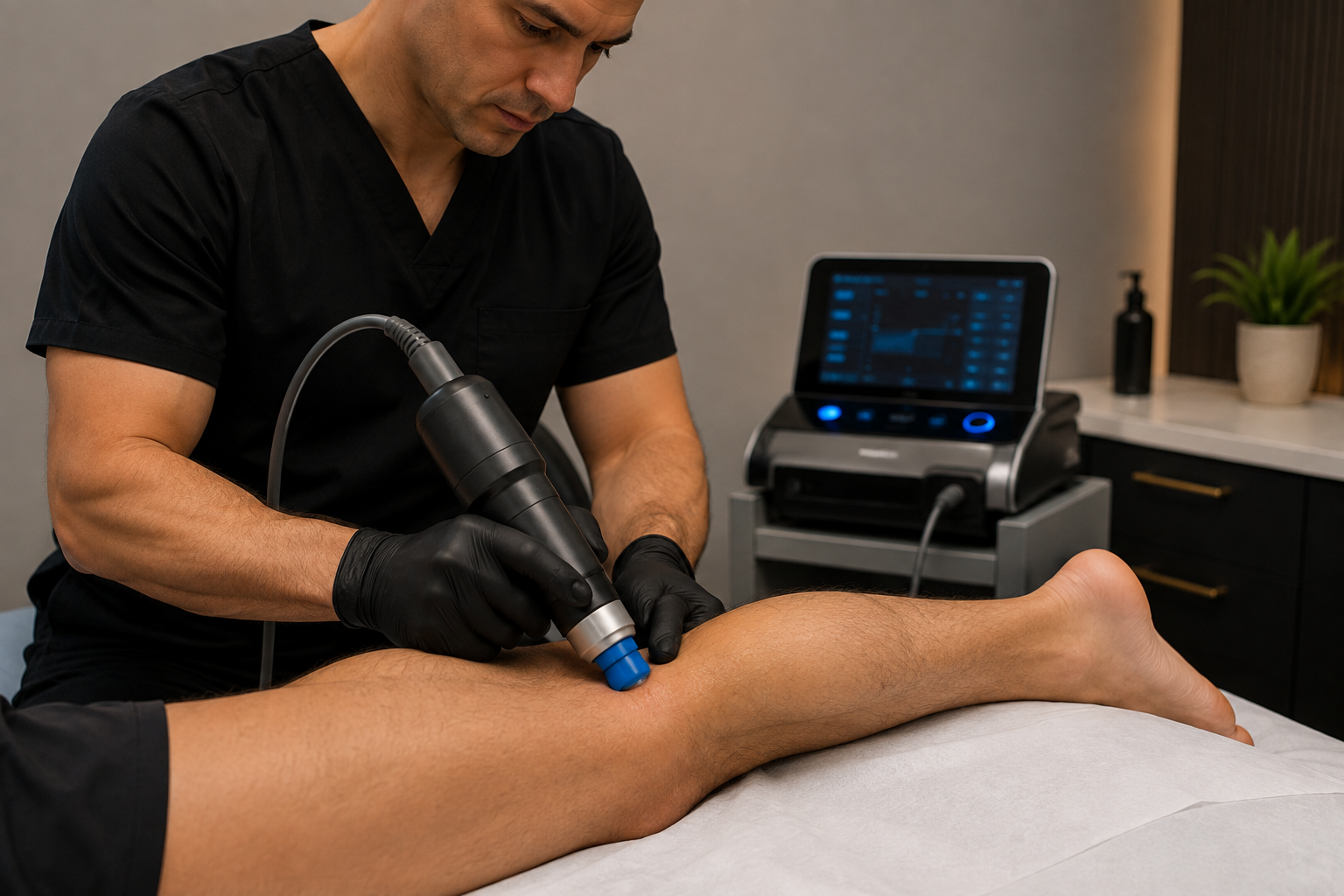
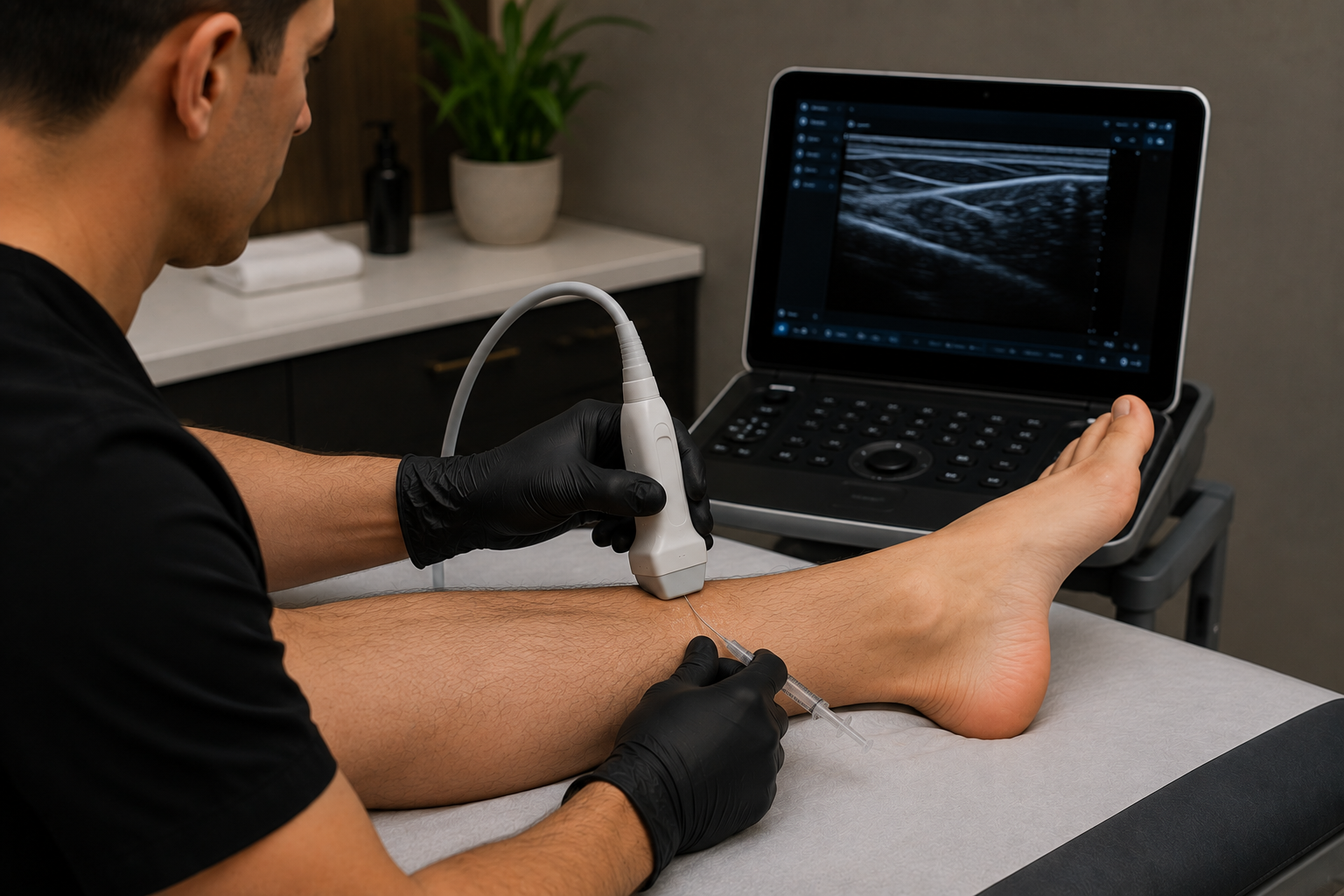
The specific combination, sequencing, treatment parameters, anatomical targets, and other technical aspects of CoreRelink™ are individualized and discussed with appropriate candidates as part of treatment planning.
An Important Principle
Why Diabetes Control Still Matters
CoreRelink™ does not replace appropriate diabetes treatment. Glycemic control is essential to helping prevent or slow the progression of diabetic peripheral neuropathy.
Ongoing Metabolic Injury
When diabetes remains inadequately controlled, the underlying metabolic injury contributing to neuropathy continues.
A Favorable Environment
We pursue treatment in an environment that is as favorable to improvement as reasonably possible while the underlying metabolic injury is being controlled.
Considered in Candidacy
Diabetes control is considered when determining candidacy. Some patients may be advised to improve glycemic control before beginning treatment.
CoreRelink™ is a procedural program and does not include ongoing diabetes management, primary care, or comprehensive lifestyle or medical optimization. Nonmember patients should continue routine diabetes and general medical management with their established primary care physician, endocrinologist, or other treating clinician.
Your First Step
A Neuropathy Evaluation
Treatment begins with a physician evaluation, not with a procedure.
Baseline laboratory evaluation is required as part of the candidacy assessment. Recent laboratory results may be accepted when they include the required testing, are sufficiently current, and are clinically adequate for review. If appropriate recent results are not available, baseline laboratory testing will be obtained before treatment candidacy is finalized.
If you are an appropriate candidate and wish to proceed, we review the CoreRelink™ treatment program, associated costs, expectations, and supplement options with you before enrollment.
What to Expect
An Innovative Approach, With Realistic Expectations
CoreRelink™ Neuropathy is an innovative treatment approach. The program is informed by emerging clinical research involving individual regenerative treatment modalities and by our evolving understanding of diabetic peripheral neuropathy.
We continue to emphasize appropriate management of the underlying diabetes alongside any procedural care.
Individual results may vary.
Common Questions
Frequently Asked Questions
Next Step
Schedule Your Neuropathy Evaluation
If burning, tingling, numbness, or altered sensation in your feet is affecting your daily life, we would be glad to review your symptoms and assess whether CoreRelink™ Neuropathy is appropriate for you.